
Electrical Steel and Commodities trading from our global business hub in Dubai
GLOBAL REACH
Rawchem is one of the world’s leading Electric Power Technology raw material CRGO Electrical Steel and commodities trading companies including Edible Oils. Part of a group Founded in London, UK in 1985, we operate in over 30 countries across 4 continents.
Rawchem is geographically diversified company, operating in all major trading regions Europe, Asia Pacific, and the Americas.
A world leading independent energy and commodity group
We connect markets and advance the electric power energy transition
WHAT WE DO
Bringing resilience and trust to complex supply chains
Our deep understanding of markets to make global supply chains more efficient.
Supplying a broad range of commodities
Our business spans metals minerals and edible oils markets as well as investments in lower-carbon solutions for the future. This diversity provides us with the flexibility to adapt to changing market dynamics and the ability to provide our customers with a wide range of critical commodities, wherever they need them.
CRGO Electrical Steel
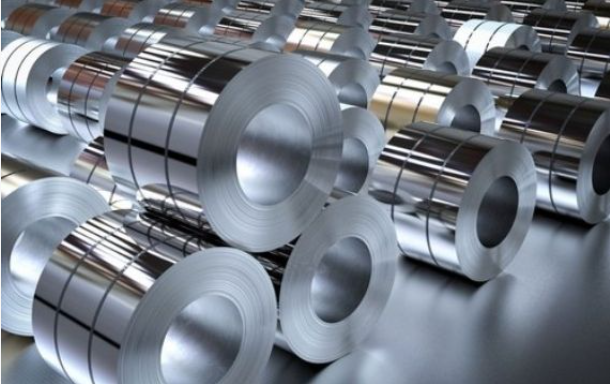
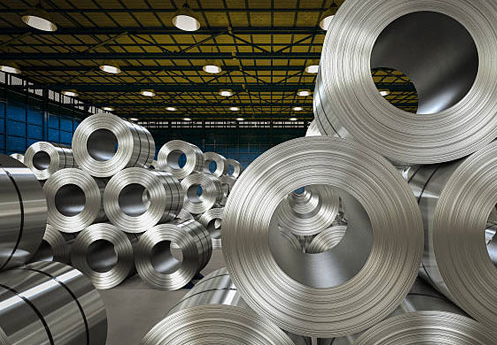
Our association with power sector goes back over 40 years, as a trading company we have been supplying Cold Rolled Grain Oriented (CRGO) Electrical Steel to transformer manufacturers in many countries including Europe, South-East Asian countries, India, and in South America.
We work closely with ThyssenKrupp Electrical Steel Mills in Germany and France as well as with Nippon Steel in Japan and premier Chinese Electrical Steel Mills.
We have extensive in-house technical knowledge of CRGO Electrical Steel and about its technological development over the past 40 years. As one of the leading supplier of CRGO Electrical Steel worldwide we offer complete range of high-quality CRGO Steel sheet in High Permeability grades with low core losses.
Products / Services
- Cold Rolled Grain Oriented CRGO Electrical Steel.
- Prime and Second Choice material; Full Coils, Slit Coils, Baby Coils, Interleave Coils.
Creating a more food secure world
Rawchem is partnering with farmers and customers to grow and produce more Palm Oil with less impact on the environment.
Edible Oils
It is probably no surprise that some margarines contain edible oil. But what about pastry, icing or chocolate? In fact, edible oil products are found in a remarkable range of everyday food and beverage products.
We extract corn oil from maize, and process and merchandize the full range of oilseeds – including sunflower seeds, rapeseed and canola – but palm and soy are our principal sources of edible oils.
Processed soybeans, both liquid and partially hydrogenated, are a vital ingredient in a variety of cooking oils, salad dressings and processed foods. Palm oil is the most widely consumed vegetable oil on the planet, used in a multitude of edible products.

Rawchem at a Glance
Rawchem is one of the world’s leading palm-based, seed-to-shelf agribusiness.
Our integrated operations span plantations, mills, refining, oleochemicals, specialty fats, and biodiesel.
Rawchem combines global scale with local insight. Beyond palm, we are also expanding into sugar, soybean, sunflower, and coconut, supported by strong shipping and logistics capabilities. Innovation is a core driver, working closely with dedicated R&D centres improving yields, developing sustainable practices, and co-creating new food solutions with customers.
Sustainability is at the heart of how we grow. Today, 99.8% of our Indonesian palm supply chain is traceable to plantation. We apply strict no-deforestation standards across our sourcing and are on track to achieve net zero emissions by 2050.
Committed to Sustainability
In addition to our strong merchandizing capabilities, growing product portfolio and reputation for reliability and integrity, our leading position in grains and oilseeds is also connected with our commitment to responsible sourcing, traceable supply chains and sustainable business practices globally. Increasing traceability in our palm and soy operations is also central to our sustainability efforts, to encourage responsible land use and non-conversion of native vegetation for soy and palm cultivation.
Sustainable Palm Oil As global demand for palm oil continues
As global demand for palm oil continues to grow, we are committed to playing our important role in driving sustainable palm production within our supply chains and beyond, in collaboration with key stakeholders.
The Challenge
As the most widely used vegetable oil in the world, with by far the highest yield per hectare, palm oil is likely to remain a crucial part of food production in the future and an important means to support rural development and livelihoods in producing countries. As such, the challenge to produce it fairly and sustainably is the object of significant efforts.
Our Approach
We are committed to sourcing palm oil in a traceable and sustainable way. We don’t own oil palm plantations or mills, instead, we source palm oil to be processed at our refineries or sold onward to our customers.
As non-producers, we believe we can play a pivotal role in driving sustainable palm production by ensuring that work conditions, agricultural practices and business ethics in our supply chain meet essential sustainability standards, and through promoting sustainable practices across our entire supply chain and business partnerships.
Our Palm Sustainability Policy
Our Palm Sustainability Policy affirms our commitment to No-deforestation, No-peat, No-exploitation (NDPE).
In compliance with this policy, we commit to:
In line with our corporate deforestation- and conversion-free
(DCF) commitment and our commitment to the Agricultural Sector Roadmap, we are working to eliminate deforestation from our palm supply chain by the end of 2035.
To deliver on our commitments, we collaborate closely with key stakeholders within and beyond the palm value chain, and in particular with our suppliers.
- Comply with all applicable laws and regulations, and uphold business ethics;
- Safeguard all high conservation value (HCV) lands and high carbon stock (HCS) areas;
- Leave all peat untouched, regardless of depth;
- Uphold the rights of workers, local communities and indigenous people;
- Support smallholder inclusion and adoption of sustainable practices:
- Ensure supply chain traceability and transparency:
- Manage grievances effectively.
Our Progress Toward Palm Oil Traceability & Transparency
Traceability is a vital first step to evaluate supply chain performance and support continuous improvement. We aim to trace 100% of our palm oil back to mill level, and aspire to achieve full plantation-level traceability for mills supplying our refineries.
Sourcing Responsibly
To ensure the palm we source has been produced responsibly, we collaborate closely with our suppliers and key stakeholders to uphold compliance with our Palm Sustainability Policy.
Our Priorities
Supply Chain NDPE Due Diligence
We regard the adoption of NDPE principles by our suppliers as crucial.
Supplier Capacity Building
We actively support suppliers to implement NDPE practices in their own operations and supply chains.
Supply Base Monitoring & Grievances
Effective monitoring is a prerequisite for transparency and accountability.
Partnerships for Progress
We engage with different partners to support more sustainable production.
Electrical Steel and Commodities trading from our global business hub in Dubai
Contact Us
Media City, Dubai, UAE